
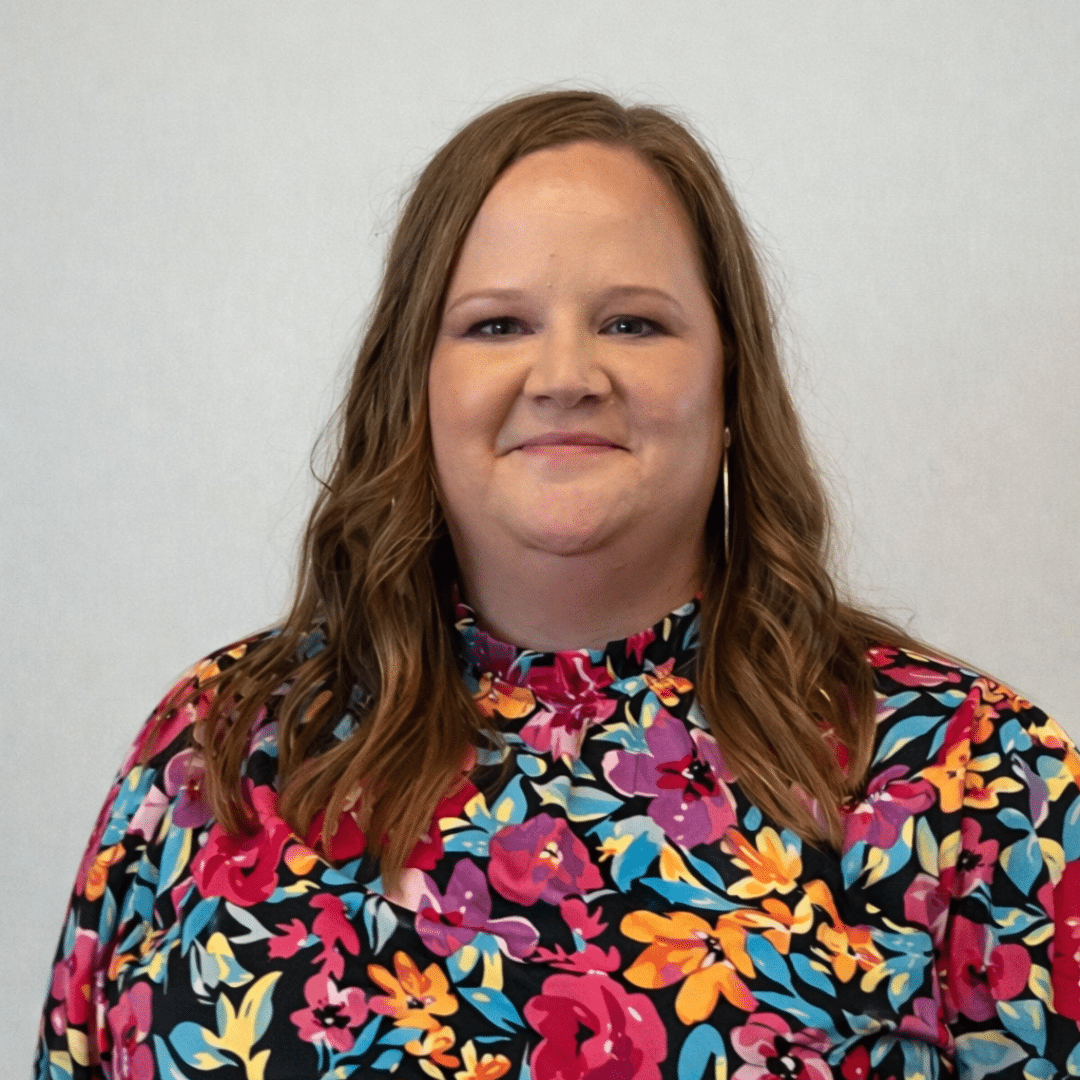
Amanda Baker is an experienced clinician, leader, and educator with deep expertise in trauma-informed therapy, relationships, and sexual health. As Therapy Services Manager at HELP Auckland, Amanda leads the Therapy Team with a commitment to survivor-centred care, clinical excellence, and organisational growth — ensuring people affected by sexual abuse and their whānau receive sensitive, high-quality therapeutic support.
Amanda brings over two decades of clinical and strategic leadership experience to HELP Auckland. She is a Licensed Marriage and Family Therapist (LMFT) in the US, a Provisional Member of NZAC in New Zealand, and holds a Ph.D. as well as a Master of Education (M.Ed.), with specialised training in trauma, attachment, and relational wellbeing. Her clinical work spans direct therapy, programme evaluation, and curriculum development, focused on supporting individuals and families impacted by complex trauma and interpersonal harm.
Prior to joining HELP, Amanda held senior roles at the U.S. Department of Veterans Affairs, where she directed trauma and recovery programs, led initiatives to improve access to care, and developed national training frameworks for clinicians. She has also served as an adjunct university professor and AAMFT Approved Supervisor & Mentor, guiding emerging clinicians in evidence-based practice and ethical care. In New Zealand, Amanda is an NZAC Provisional Member, actively contributing to the professional community.
At HELP Auckland, Amanda oversees all aspects of therapy services — including clinical quality, team support and development, programme growth, and collaboration across the agency — in alignment with HELP’s vision of work towards a society where relationships are based on cooperation and respect to end sexual violence. She is passionate about fostering a learning culture that honours Te Tiriti o Waitangi, supports diverse community needs, and champions the rights and wellbeing of survivors.
Outside of her leadership role, Amanda engages in research, clinical supervision, and community advocacy that advances trauma-informed care and promotes healing across contexts.